Living in Boston: A Guide for Incoming Boston Conservatory Students
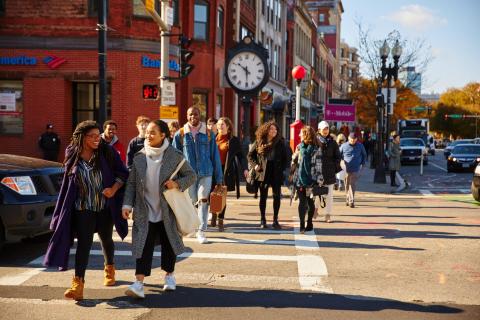
As a student who moved to Boston this past year, I’ve found it to be a truly captivating city. With its historic brownstones, neighborhood parks, and tucked-away side streets, there’s a unique character built into everyday life here. Whether you’re arriving from the suburbs, a rural town, or another city, Boston has a way of quickly becoming home. Here’s what life here can look like—from navigating “the T” to balancing school with professional opportunities.
Living, Transit, and Traveling Back Home
While most first-year undergraduates live on campus, many students in their second years and beyond live in areas just outside of our campus’s Back Bay location. Neighborhoods such as Allston/Brighton, Brookline, and Jamaica Plain are popular choices, with students commuting daily via the MBTA—known locally as “the T.” Fun fact: as someone who grew up in the Washington, DC area, I learned quickly that calling it the “metro” or “subway” will earn you playful teasing!
For a bit of historical context, the T is one of the oldest public transit systems in the country—Boston was actually the birthplace of public transit in America, and some of the original subway tunnels beneath Boston Common are still in use today. Despite its age, it’s a reliable, well-used system that most students depend on multiple times a day. You can use a refillable CharlieCard, but many riders simply tap with Apple Pay or a credit card on trains and buses alike. I’m a hired singer in the Schola at St. Paul’s Parish in Harvard Square, and I regularly take the 1 bus from the Fenway area to Cambridge—it’s straightforward, affordable, and stress free.
I chose to pay slightly higher rent to live closer to campus in the Fenway/Kenmore area, which has been well worth it. An added bonus: if you register for a residential parking permit through the city, street parking is free year-round within your neighborhood. Although I brought my car with me, I rarely use it—Boston is incredibly walkable, and public transit covers nearly everything.
Traveling by air is made easy via the Logan Express, which is an affordable shuttle (either free or just a few dollars) that runs from several pickup locations to Boston Logan International Airport, about 30 minutes away. If home is close enough for train or bus travel, Amtrak and several bus lines operate out of South Station, which is easily accessible via the T. Between walking and public transit, you’ll quickly find your rhythm here.
Food
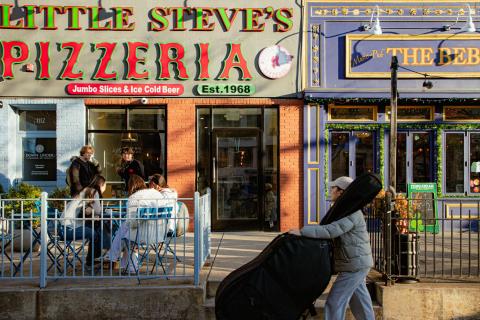
A highlight of Boston living is how well-equipped each neighborhood is. Nearly every area has corner stores stocked with essentials, alongside plenty of fun snacks. The surrounding area of campus hosts a Whole Foods just a five-minute walk away, several nearby corner stores, lots of restaurants, and a Trader Joe’s about ten minutes away.
Boston is also a coffee lover’s city. Students frequent Pavement Coffee, Caffè Nero (which offers great student discounts through their app), and, of course, Dunkin’—a true Boston staple that actually originated here. Beyond that, the city is home to an impressive range of cuisines, so whether you’re grabbing something quick between rehearsals or going out with friends, you won’t be lacking options.
Activities and Culture
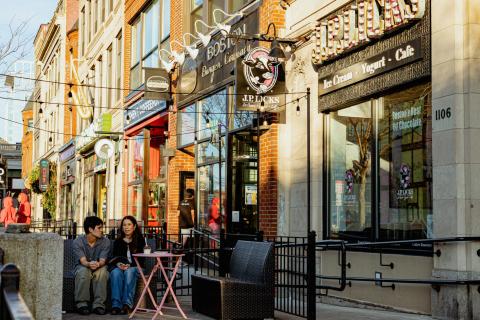
Boston is busy, loud, and wonderfully diverse—you’ll hear countless languages from around the world just walking down the street. On any given day, you might pass runners preparing for the Boston Marathon (often shutting down traffic), sailboats gliding along the Charles River, rallies in Boston Common, or pop-up festivals tucked into different neighborhoods.
There are, of course, some adjustments to living in any city, and Boston is no different. Sirens, construction, and constant foot traffic are part of daily life, and quiet can be harder to come by than it is in less densely populated places. Apartments also tend to be smaller, and shared living spaces are common for students. The heightened cost of living is also something residents notice right away, from rent prices to everyday expenses. But alas, it comes with the territory of city living!
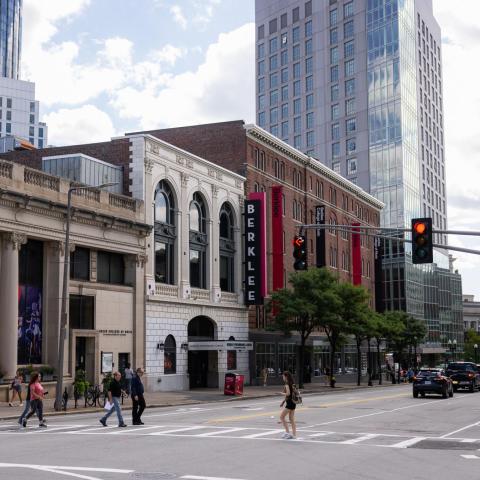
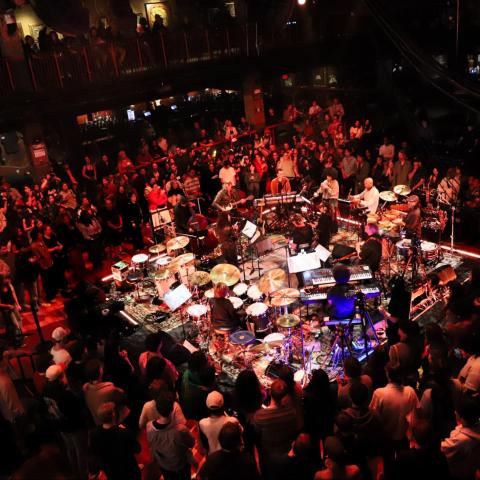
Culturally, Boston offers endless opportunities. The Theater District is home to stunning performance venues such as the Wang Theatre and the Citizens Opera House (where I work as an usher—a fantastic side gig) which host touring Broadway shows, musicals, and the world-renowned Boston Ballet—and where many BoCo alumni and current students can be seen onstage. Boston Lyric Opera productions are a-plenty, often housed at the ornate Emerson Colonial Theater, and performances by the Boston Symphony Orchestra at the historic Symphony Hall are just a short walk from campus. In fact, our Boston Conservatory Orchestra typically performs there once a semester. Both visual arts lovers and sports fans are just as well served in the Fenway area, thanks to the nearby Museum of Fine Arts, Isabella Stewart Gardner Museum, and Fenway Park. Window shopping on Newbury Street and spending time in the Boston Public Library—both for its resources and its stunning architecture—are must-sees for any student or visitor to the city.
Gigging in Boston as a Student: A Classical Singer’s Perspective

Boston is an especially good city for young performing artists. From the perspective of a classical singer, there is a considerable amount of professional opportunities available even while studying. As mentioned, I sing professionally in the Schola choir at a large Catholic church—a path many of my peers take, with students singing in churches throughout the city and surrounding suburbs.
Several of my classmates also perform with the Boston Lyric Opera Chorus or other professional choral ensembles, balancing those commitments alongside demanding academic and performance schedules. Boston hosts a wide range of vocal competitions as well, many of which students have a real chance of placing and receiving monetary compensation.
Beyond performance, many student musicians teach private lessons, work as substitute teachers, or take jobs in retail, food service, or arts administration. These experiences are a natural extension of our training—we learn quickly how to become multi-hyphenate professionals, building sustainable careers through a combination of artistry, teaching, and flexibility.
Living in Boston as a student is a lesson in independence, adaptability, and discovery. Between its walkable neighborhoods, vibrant arts scene, and strong sense of history, it has a way of shaping not just your education, but your sense of self. For those moving here for the first time, it may feel challenging—but once you open your heart and mind to it, it has a way of supporting you and providing opportunities you never would have expected.