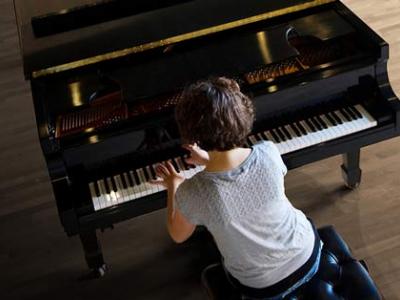
What does a Collaborative Pianist do?
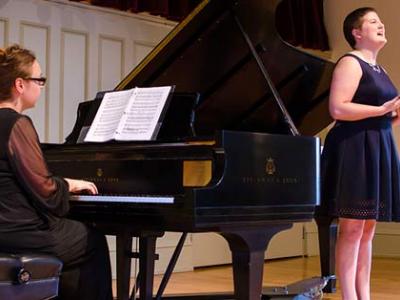
The work of an accompanist is nuanced and demanding, requiring them to respond nimbly and sensitively to performance elements such as tempo, phrasing, and interpretation, often while collaborating with a singer for the first time and sometimes in high-pressure settings like competitions and auditions. In addition, many accompanists double as teachers or educators, and must be capable of teaching and monitoring a student's performance while playing. As part of their job, staff accompanists often perform administrative tasks such as compiling and organizing requests from students.
At a Glance
Professional musicians who accompany as part of their work are spread across a number of different industries. Those who specialize purely in accompanying others, however, are most common in the fields of music, dance, and theater education. Most accompanists begin as freelancers, finding work through personal connections, networking, and job postings.
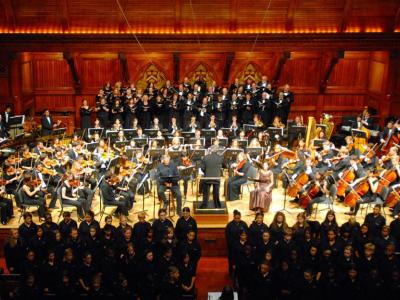
Opportunities abound for accompanists, ranging from tiny theater troupes and local choirs to major ballet and opera companies. Most are freelancers who work for a combination of regular and one-off clients, including choirs, K-12 schools, universities, conservatories, dance companies, and theater companies.
Sight-reading; broad musical repertoire and knowledge; collaboration (rehearsed and on-the-spot); great ears for musical nuance (tempo, phrasing, tone, etc.); teaching; networking; punctuality
Responsive listening, adaptability, preparation, reliability, tact, and the ability to support another performer without overpowering the collaboration
Freelance schedules change with rehearsals, auditions, competitions, and performances, often including evenings and weekends. Staff appointments at schools or arts organizations may provide more predictable hours.