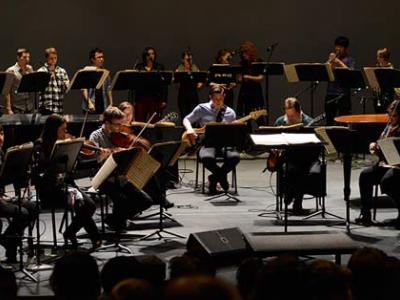
What does a Soloist do?
Although many players are skilled enough to perform the demanding and flashy solo parts included in certain classical pieces, a small group of musicians make a living from doing so: soloists. The classical equivalent of rock stars, soloists forgo the settled, stable life of an so that they can perform center stage with orchestras across the world, which benefit in turn from the soloist's fame and appeal. It's a common misconception that being a soloist is about technical ability.
At a Glance
Most soloists pursue their careers aggressively from a young age, bursting onto the world stage when they win a high-level music competition and begin to tour. Many of the most prestigious competitions are overseas, which can make participation an expensive endeavor.
Winning a prestigious competition is widely regarded as the best way to kick-start one's career as a soloist. From there, it's a matter of getting an agent, booking a tour, and setting out to test oneself on stages across the world.
Advanced vocal or instrumental technique
Repertoire preparation
Interpretation
Memorization
Audition preparation
Stagecraft
Collaboration with conductors and ensembles
Recording skills
Self-discipline, resilience, artistic curiosity, preparation, adaptability, and respectful collaboration during limited rehearsal time.
Work is project-based and may involve extensive practice, auditions, travel, evening performances, and periods without engagements. Soloists often combine performance with teaching, ensemble work, or recording.