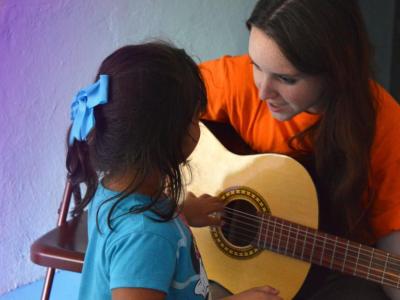
What does an Expressive Arts Therapist do?
Self-expression is a basic human behavior, a way of putting the self in relation to the rest of the world. It consists of creating or arranging something external—words, sounds, colors, movements, objects—in order to express something internal and often personal. Few understand the power and importance of this kind of artistic creation better than expressive arts therapists, who use the same process to help clients make sense of their lives, process difficult memories or experiences, reduce daily stress, increase resilience, address specific behavioral and psychological problems, and even cope with the distress caused by medical illnesses.
At a Glance
Expressive arts therapists come from many artistic backgrounds, but are generally united by an interest in health and wellness and using the arts to inspire and empower others. Education is relatively important in this field; most expressive arts therapists will need a master's degree. Seasoned therapists might start their own clinic, found an art-therapy practice, switch to teaching, or get a doctoral degree and begin conducting research.
Any mental health professional can use the expressive arts in their therapeutic process, but only those qualified by the International Expressive Arts Therapy Association (IEATA) can practice as registered expressive arts therapists. Most expressive arts therapists are freelancers and can find work in a wide variety of settings, including private practices, medical and mental hospitals, hospice, community centers, rehabilitation programs, and correctional facilities.
Foundations in a wide variety of arts; establishing therapeutic relationships; client assessment; treatment planning; guided improvisation; excellent written and verbal communication; research skills
Good expressive arts therapists are patient, perceptive, attentive, emotionally open, and committed to their patients. They have excellent verbal communication skills and a deep appreciation for the power of art and the creative process.
Expressive arts therapists work different schedules depending on their employment situation. Some are full-time employees with regular hours, while others are contractors who bounce between gigs in multiple locations.