What does a Recording Engineer do?
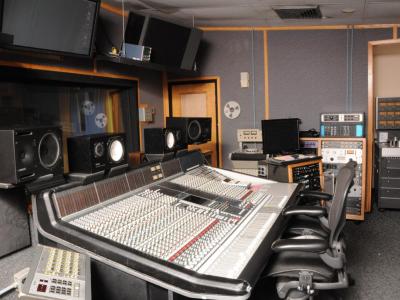
When you listen to a recording, every drum beat, bass thump, guitar strum, and sung note has been shaped by a recording engineer, who uses a combination of technical expertise and musical mastery to capture and manipulate sound in the studio. A typical session begins by preparing the room: choosing and positioning microphones, laying cables, and setting up tape or a digital program such as Pro Tools. Although live ensemble recordings are occasionally made in studio, the bulk of music recording is done into a sound board outfitted with as many as 96 channels, or tracks.
At a Glance
For these positions, employers strongly prefer candidates with a degree in sound engineering or music production. From there, they work their way up the studio hierarchy to become full-fledged recording engineers and then lead or head engineers.
A recording engineer might hold a full-time position at a recording studio or work as a freelancer for clients including artists and producers. Freelance recording engineers must develop a strong professional network and industry reputation if they hope to receive consistent work requests.
Music recording (hardware and software)
Record production
Music editing
Pro Tools
MIDI
Sound/mixing boards
Broad knowledge of instruments (digital and analog)
Basic acoustics
Collaboration
Time management
While there are many different ways to be a recording engineer, in every sense this position is about collaboration: fulfilling the visions of producers and artists who walk through the doors with musical ideas but not necessarily the know-how to realize them. Recording engineers who are interested and experienced in a wide range of music are more able to take on a diverse clientele.
The majority of recording engineers work in-house at a studio, where they might have fairly regular hours doing small daily sessions or work in sustained bursts recording albums. Freelance recording engineers likely have more inconsistent schedules, and may work out of a home studio.