What does a Radio DJ do?
Once upon a time, radio DJs were influential tastemakers in the music industry who chose all of the music for their own shows and could break an act into the mainstream with a few spins of the turntable. As a result, the role of the commercial DJ has shifted away from music curation and toward hosting themed segments of storytelling, music discussion, current events, journalism, and more. The exception is college and independent radio DJs, who are likely to curate all of the music in their segments.
At a Glance
There are no specific educational requirements to become a radio DJ, although a station might look for a DJ with a particular degree in order to round out their roster. Most DJs start off volunteering at a college or independent radio station before landing a paid job at a commercial one. Some radio DJs go on to fame and fortune as on-air personalities, while others transition into careers in television.
Radio DJs are employed by broadcast, satellite, and internet radio stations. Aspiring radio DJs can get their first credits and exposure to the industry by volunteering at a college or independent radio station, interning at a major radio station, or producing and distributing their own podcast.
Broad musical knowledge
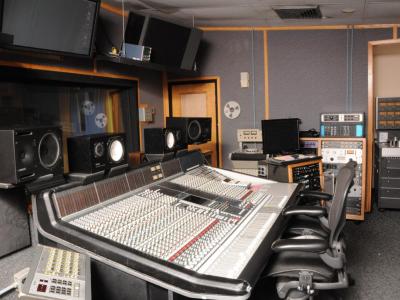
Basic understanding of recording equipment
Basic understanding of broadcasting
Public speaking
Up to date with the latest news, trends, and viral content
Verbal communication
Multitasking
DJs are known for their rich, spellbinding voices and charismatic personalities. Certainly, being outgoing, quick-witted, and talkative is key for a DJ, and a good sense of humor also goes a long way.
Terrestrial radio DJs organize their workdays and their lives around their shift times. For example, DJs working the morning drive time must wake quite early and are already finished up by the early afternoon, while DJs holding down the overnight shift will need to become partially nocturnal.