What does a DJ (Studio or Performing) do?
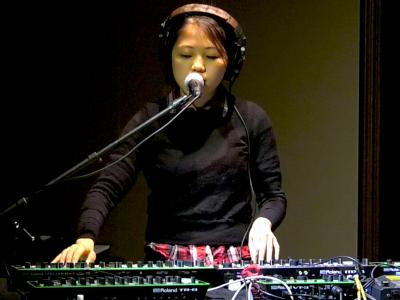
DJs are skilled musical manipulators who use great ears, the latest software, and a spot-on feel for musical tastes and trends to build rousing dance sets for live audiences and create altered versions of tracks by other artists.

At a Glance
Training in electronic performance, live DJs might start out working friends’ parties and events before progressing to independent DJ sets at local nightclubs or touring as the opener for a similar musical act. Club and festival DJs often require a team of people to get their career to take off, including a manager, booking agent, tour manager, video technician, and lighting technician. Formal training in electronic performance would provide aspiring DJs with the skills and knowledge necessary to be successful in this career.
DJs are hired for one-off or weekly shows by nightclub bookers, talent buyers, and event planners. They also frequently play festivals.
Live DJs who are just starting out often cut their teeth and test-drive their skills in the public space, with the goal of developing a following and then advancing to bigger rooms and a larger paycheck while building relationships and their networks. Just like with a band, DJs start small and grow as they build a fanbase and audience. Some find regular work with event organizers who provide DJs for weddings, bar/bat mitzvahs, and corporate or other special events.
- Music mixing (live and studio)
- Music editing software
- Music production
- MIDI
- Sample libraries
- Live performance and stage presence
- Great ears
- Networking
Club DJs are performers: charismatic and able to move a crowd of strangers with the force of their personality and their passion for music. Live DJs benefit from strong communication and networking skills. Radio/podcast DJs should be relatable and current on news and what people are talking about.
Live club DJs work at night, often into the wee hours of the morning, while festival and mobile DJs work based on the event schedule, and radio/podcast DJs are based on radio station or production schedules. Before becoming a regular fixture at a club or creating a professional arrangement with a party planner, most work hard to secure one or two gigs a week while working day jobs for additional income.