What does a Mixing Engineer do?
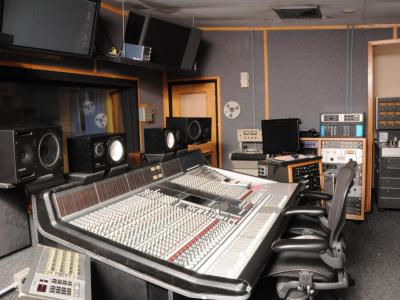
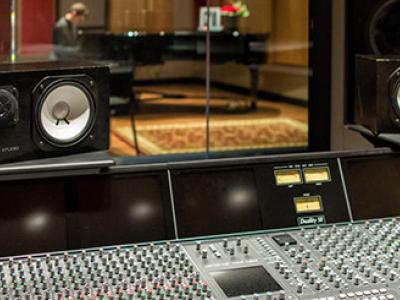
Studio mixing is the process of artfully assembling the various parts of a multitrack recording into a standard stereo track. While most recording engineers are capable of producing a basic mix, studio mixing engineers make this task into their own art form, using a mix of technical and musical skills to create mixes that enhance the emotional or dramatic clarity of a recording or provide it with a characteristic style. Because the quality of the mix has a tremendous impact on the sound of a final recording, talented mixing engineers are typically in high demand.
At a Glance
Most mixing engineers start out as assistant engineers in recording studios, positions for which employers strongly prefer a degree in music production or sound engineering. From there, assistants may become full-fledged recording engineers, or apprentice under an established mixing engineer, honing their craft by observing a seasoned pro in the studio. Successful mixing engineers might work with high-profile artists and producers or secure long-term employment with a studio.
A mixing engineer might hold a full-time staff position at a recording studio or work as a freelancer for clients including studios, producers, recording artists, and TV, film, and video game studios. While in-house positions at studios can be found on job listing websites, freelance mixing engineers must build their own clientele via word of mouth. Accomplished mixers can also find work in the live concert and touring world as live sound mix engineers, or in the film world as re-recording mixers.
- Studio mixing
- Mixing/sound board
- Music production software
- Music recording
- Superior ears for detail and nuance
- Creative vision
- Collaboration
- Networking
Mixing engineers are rigorously detail-oriented, organized, and highly focused. This work can be precise and demanding, making the ability to concentrate closely for long hours valuable. At the same time, it's also important for freelance mixing engineers to be flexible, as work, or work-related requests, can come in at all hours of the day.
While studio mixing engineers work according to the studio's schedule, freelance mixing engineers control their schedules and select their own clients, often working out of a home studio or rented studio space.
Mixing engineers tend to work in extended bursts; mixing an album can take anywhere from a few days to several weeks, during which time the mixing engineer is unlikely to focus on much else. The industry is deadline oriented, and even studio mixing engineers might extend their hours into nights and weekends in order to get an album finished in the allotted time.