As an institution of musicians, artists, and educators, Berklee nurtures human creativity, fosters innovation, and educates students for a rapidly changing artistic and professional landscape.
The generative capabilities of new forms of machine learning (referred to as generative AI or gen AI) offer exciting opportunities for innovation and new imaginative horizons in the arts. At the same time, gen AI poses threats to how human creativity is recognized, developed, and supported. It is therefore imperative for us to understand both the creative potential of gen AI and the disruptive impacts that these technologies may have upon the agency, sustainability, and economic incentives of individual human creatives. As a global leader in music and the performing arts, Berklee will continue its tradition of empowering musicians and artists to not only navigate these new trends but to shape them.
As an educational community we are committed to the development of policies, partnerships, and educational practice around gen AI and enabling technologies that recognize the critical roles that individual artists and creative practice play in our society.
The following are intended as core principles that will guide our work and our partnerships in these areas.
Guiding Principles
As artists, we center the human and human experience in all of our work. We will continue our tradition of early adoption of technology that empowers and amplifies human creativity, always through an artist-first lens.
As artist advocates, we champion the role of human creators in shaping the future of music and the arts. This includes ensuring that the rights, recognition, and consent of artists are at the center of ethical development of new creative technologies.
As arts educators, we will maintain our long commitment to ensuring Berklee students have a practical, real-world understanding of the latest technology trends, are adaptable, and feel empowered. We will always focus on the best practices in supporting our students and our faculty.
Generative AI in Music: What We’re Teaching and Why
Generative AI is a major disruption to music and the creative industries, expanding creative and professional possibilities for artists while introducing complex questions about authorship, ownership, and compensation.
Berklee’s approach is grounded in preparing students for a changing industry and empowering them to shape the future of music. As an artist-first institution, we are responsible for ensuring that students can engage with emerging technologies, understand how they function, and influence how they are applied. Generative AI is part of the professional environment our students are entering and will help define the conditions in which they create.
Faculty and students work with emerging tools in creative contexts, evaluating their capabilities and limitations. They analyze how outputs are generated, how data is sourced and used, and how credit and consent are addressed, while also engaging with questions around intellectual property, business models, and ethical frameworks that shape creative practice. This process supports informed decisions about when and how these tools contribute to artistic work.
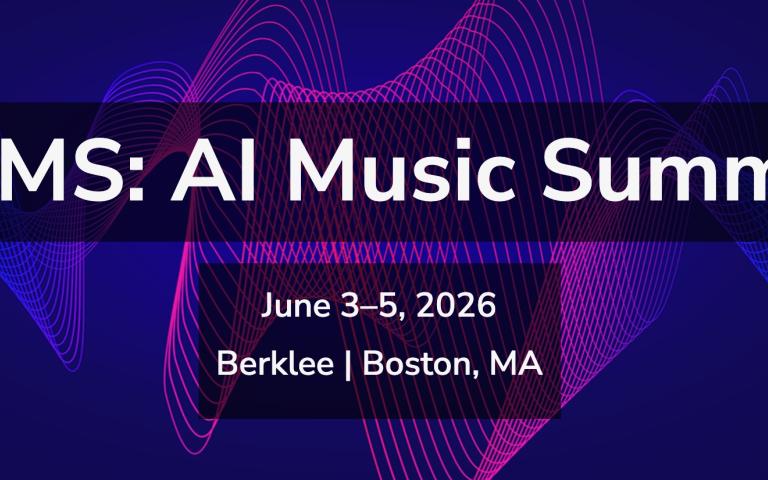
Berklee also prioritizes structured dialogue on these issues. We convene students, faculty, alumni, and industry leaders to examine the implications of generative AI in an open setting. Through classrooms, forums, and initiatives like the Berklee Emerging Artistic Technology Lab (BEATL) and the AI Music Summit (AIMS), we are committed to including a broad range of perspectives and critical viewpoints.
Across the Berklee community, views on these issues vary widely. Some raise concerns about artistic livelihoods, ownership, attribution, environmental impact, and the broader effects on creative communities. Others emphasize expanded access and new creative and professional opportunities. As technology and policy continue to evolve, these conversations will continue to develop and take new forms.
Engaging diverse perspectives is central to Berklee’s educational role. Preparing artists requires developing the ability to assess, question, and respond to the forces shaping their field. It also requires their active participation in how these technologies develop and are used.
Berklee has always been at its strongest when it operates at the edge of change, preparing artists not only to enter the industry but to redefine it. That legacy calls for full engagement with this moment so our students can help shape what music becomes next.
Share Your Question, Comment, or Plans
We encourage you to help us coordinate our efforts by connecting with the working group. Please share your questions and comments, as well as information about your department’s plans for relevant guest speakers, events, or resources.
News