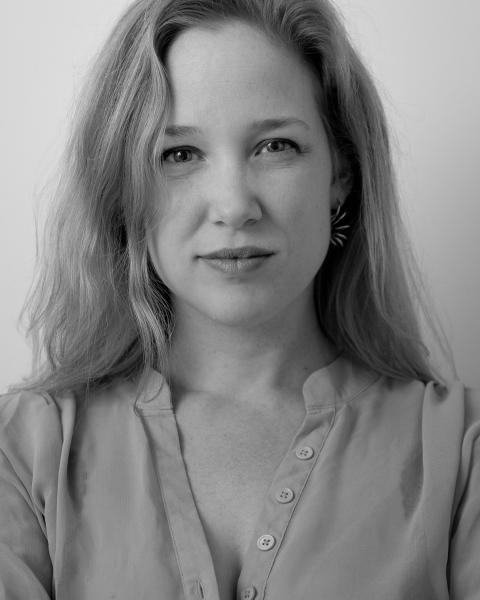
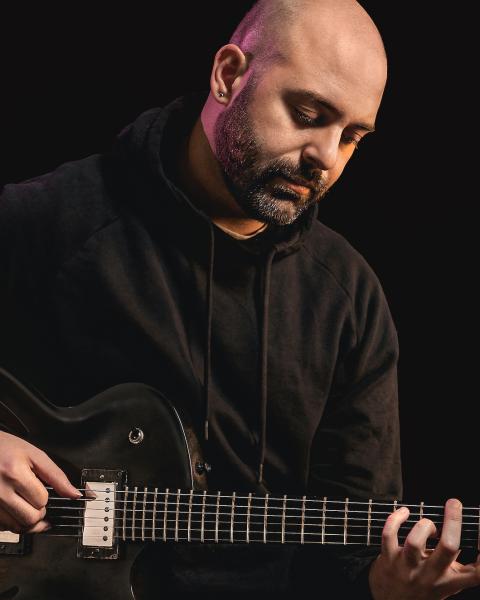
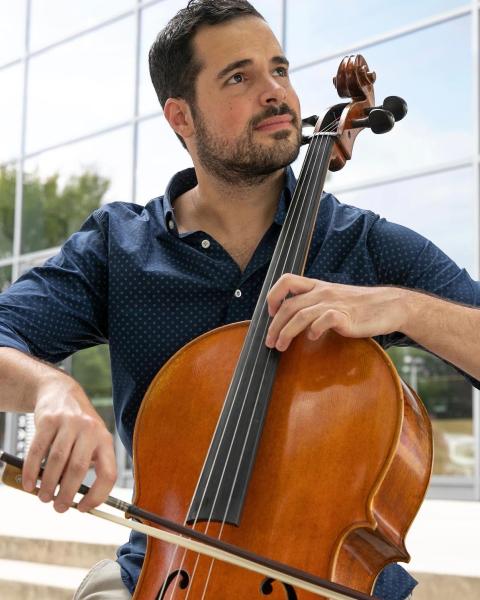
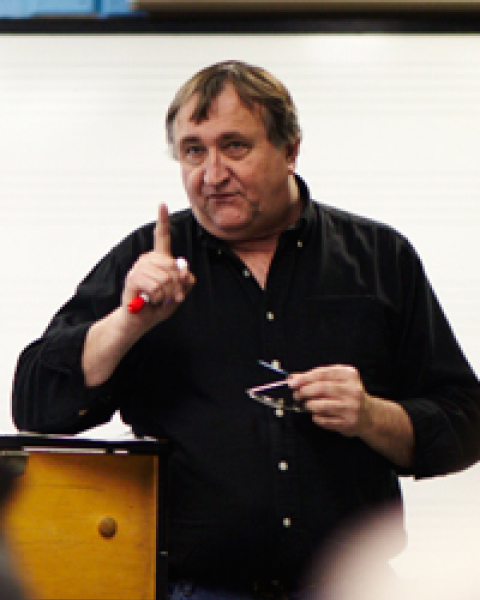
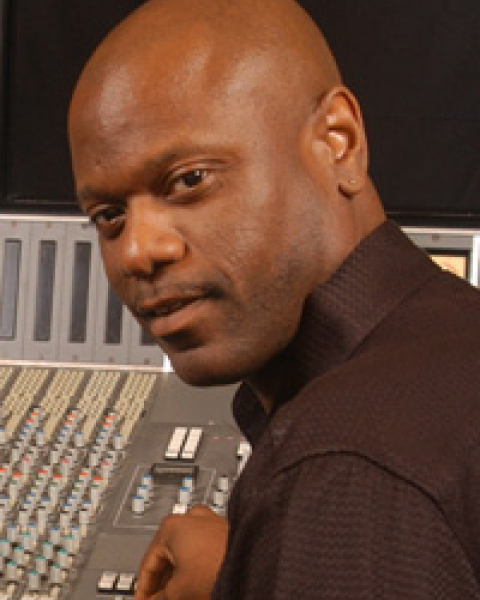
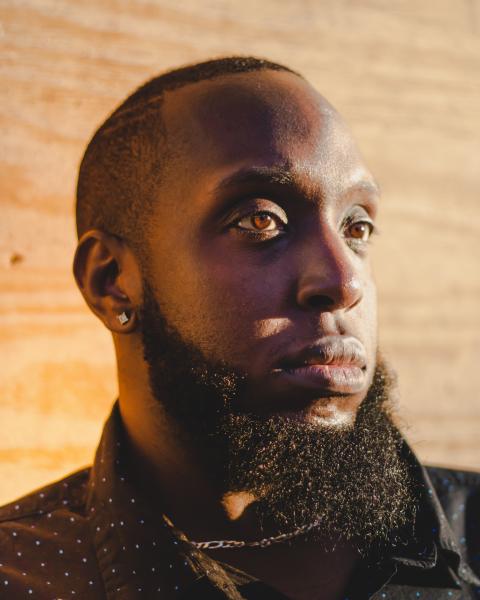
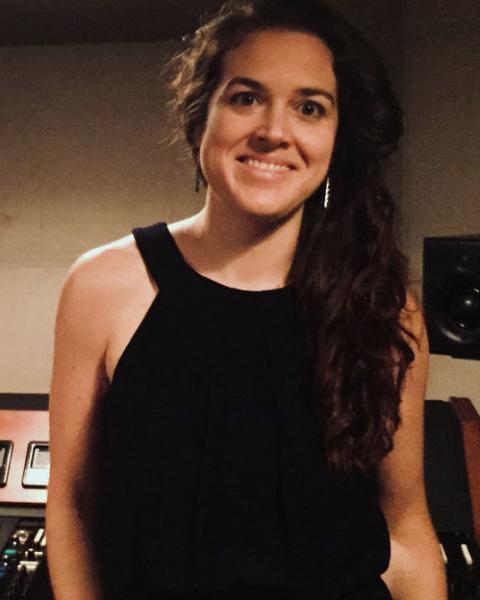
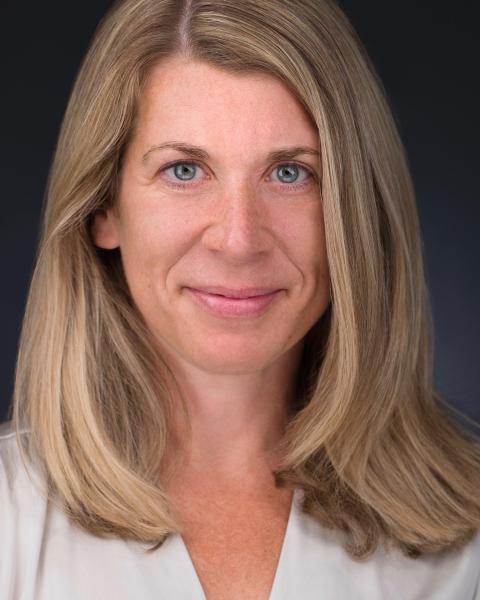
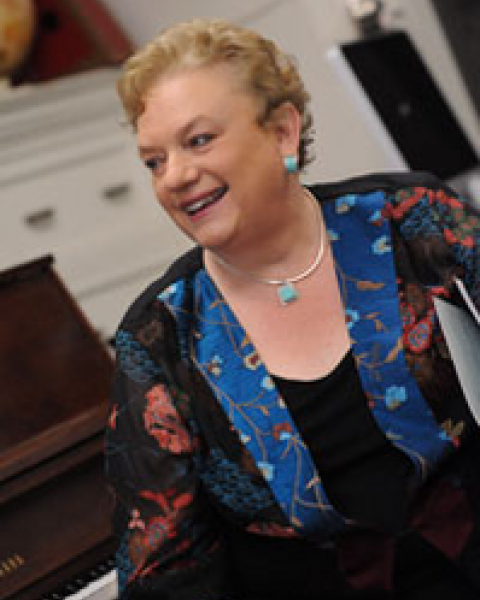
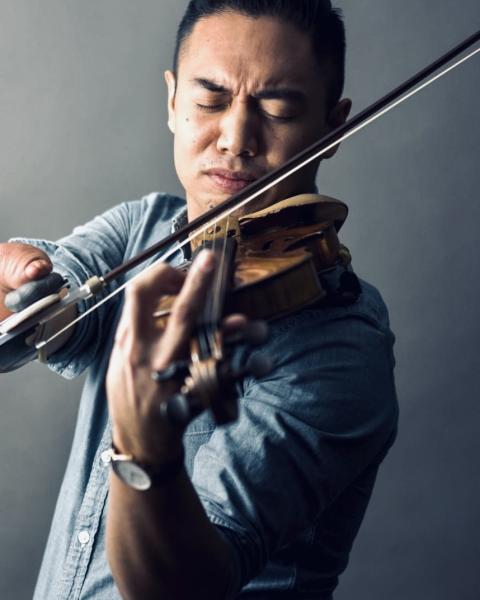
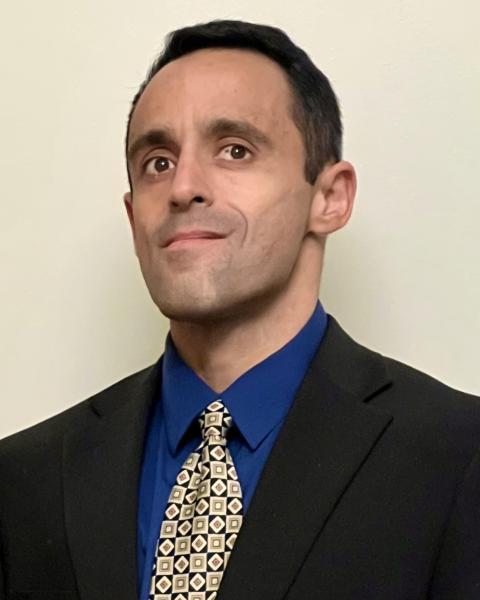
Larry Baione, Chair
DEPARTMENT : Guitar Department"In teaching private lessons, I help students find repertoire to work on and to study the essentials of phrasing, soloing, chords, and technique. The goal is for the student to be able to sound the way he or she would like to sound—for them to take their instrument in whatever direction they would like. I also teach a recital prep lab. In that case, the object is to gain experience playing in front of people and to discover what a good performance means to each individual student."
Read MoreRick Peckham, Assistant Chair
DEPARTMENT : Guitar Department"To me the musician's responsibility is not only to get the sound out of your head and to the instrument, but actually into the mind of the listener—and there are a lot of things between your mind and the listener's. You need to know about sound production on your instrument, getting your sound recorded, and making that sound the best it can be."
Read MoreAbigail Aronson, Professor
DEPARTMENT : Guitar Department"A lot of times I work with students at identifying scales, chords, and improvisation approaches by ear while we're learning the fingerings and theory. Many people find it refreshing to increase their confidence about what things sound like, as opposed to being sure of having them under their hands or recognizing them on a page. In my own playing, I often sing and play in unison or octaves when I improvise on guitar or bass."
Read MoreJohn Baboian, Professor
DEPARTMENT : Guitar Department"We get the misconception that you've got to be John Scofield or Pat Metheny. But that's such a small percentage of the population of musicians. For most musicians who are not quite up to that level, you're accompanying, you're part of band. The music wouldn't be the same without you, but it's not your name drawing the crowd. And that's okay. There's something to be said for being the side person and doing your job well. You get to be a part of making the music sound great and not have to worry about all the logistics. Go play the gig, do the music, do your job well, take the check, and don't worry about all the rest. That's the job of the versatile side musician. And that's, at least, what I am trying to prepare my students to be."
Read MoreSheryl Bailey, Associate Professor
DEPARTMENT : Guitar Department"The ideals of being professional—being prepared, being on time, having a good attitude, being someone who's friendly and easy to work with—sometimes is as important about getting the gig as anything. Because there are so many great players, the more that you're prepared and the more that you're a good person to work with, you're going to move to the top of the list of people to call.
Read MoreBruce Bartlett, Associate Professor
DEPARTMENT : Guitar Department"The best thing about teaching or learning how to play music is the balance between technical information and whatever your heart and soul feels. Hopefully the technical information is only the vehicle for what you're really trying to do. I want my students to stay focused through the ups and downs, and to trust in what they believe in. I try to reinforce that they should learn as much as they can and be as versatile as possible, because the competition is very high. I also tell them to respect and learn from the past as they're trying to go forward."
Read MoreKevin Belz, Assistant Professor
DEPARTMENT : Guitar Department"I try to teach the way I learned how to play. I use more ear-type training than music and hand-out sheets. In the real world, on gigs, 90 percent of the time you just get a CD to learn tunes. I have the students transcribe songs, not necessarily writing them down, but a lot of learning by ear, a lot of call and response stuff, transcriptions off records and CDs."
Read MoreDan Bowden, Professor
DEPARTMENT : Guitar Department"What draws students to my private lesson studio are the instrumental labs that I develop, which deal with acoustic blues, slide guitar, and bottleneck guitar. An important goal of mine has been to expand on what would be the typical blues education—trying to round out the blues students we have playing modern electric blues style by imparting some historical perspective along with traditional blues skills that are still viable in today's music, when you look at Eric Clapton, Derek Trucks, Taj Mahal, or people like Keb' Mo'."
Read MoreFreddie Bryant, Associate Professor
DEPARTMENT : Guitar Department"I always have students make a blank book, because they're going to discover hundreds of things. You need to write them down, because at the end of the year, it could all be like mush. What do they put in the books? Sometimes people will write a great lick or a melody. They may not write the rest of the song, but they could do so in the future. It's the same thing with me. In my books there are different kinds of scales and different rhythms, chord voicings, and inversions; a Latin tune, a more Middle-Eastern kind of a jam vibe; harmonized diminished scales; and even poetry. I experiment with all these different possibilities, and then two or three things may develop into a tune or an arrangement that I'm writing, or later, with time and practice they'll be able to fall under my fingers easier for soloing or melodic improvisational ideas."
Read MoreJon Damian, Professor
DEPARTMENT : Guitar Department"During my years as a performer and teacher of improvisation, I have noticed that the more advanced we become as improvisers, the less we tend to respond to the basic musical events that happen around us. To make my students aware of this, I started an advanced performance lab class 15 years ago called the Creative Workshop, or Cre.W., to help players learn to really listen as they improvise. Although Cre.W. is a guitar lab, the techniques we use work well with any instrumental combination."
Read More